Why small runs cost more, and last longer
There is a reason most affordable leather goods feel the same. Tooling, cutting dies and pattern development are fixed costs. Spread them over 20,000 units and they disappear into the price; spread them over 200 and they are visible on every piece.
We run small batches anyway, for three reasons that have nothing to do with marketing.
1. We can fix a mistake
In a large production run, a pattern flaw discovered after delivery cannot be corrected — the whole run is already made. In a run of two hundred, the first batch tells us what to change and the second batch is better. Almost every piece in our current line has been through at least one revision.
2. Less goes to landfill
Large runs assume a sales rate. When the assumption is wrong, the remainder is discounted, then jobbed out, then destroyed. Small runs sell through or nearly so. The waste is designed out rather than managed afterwards.
3. The leather is selected, not allocated
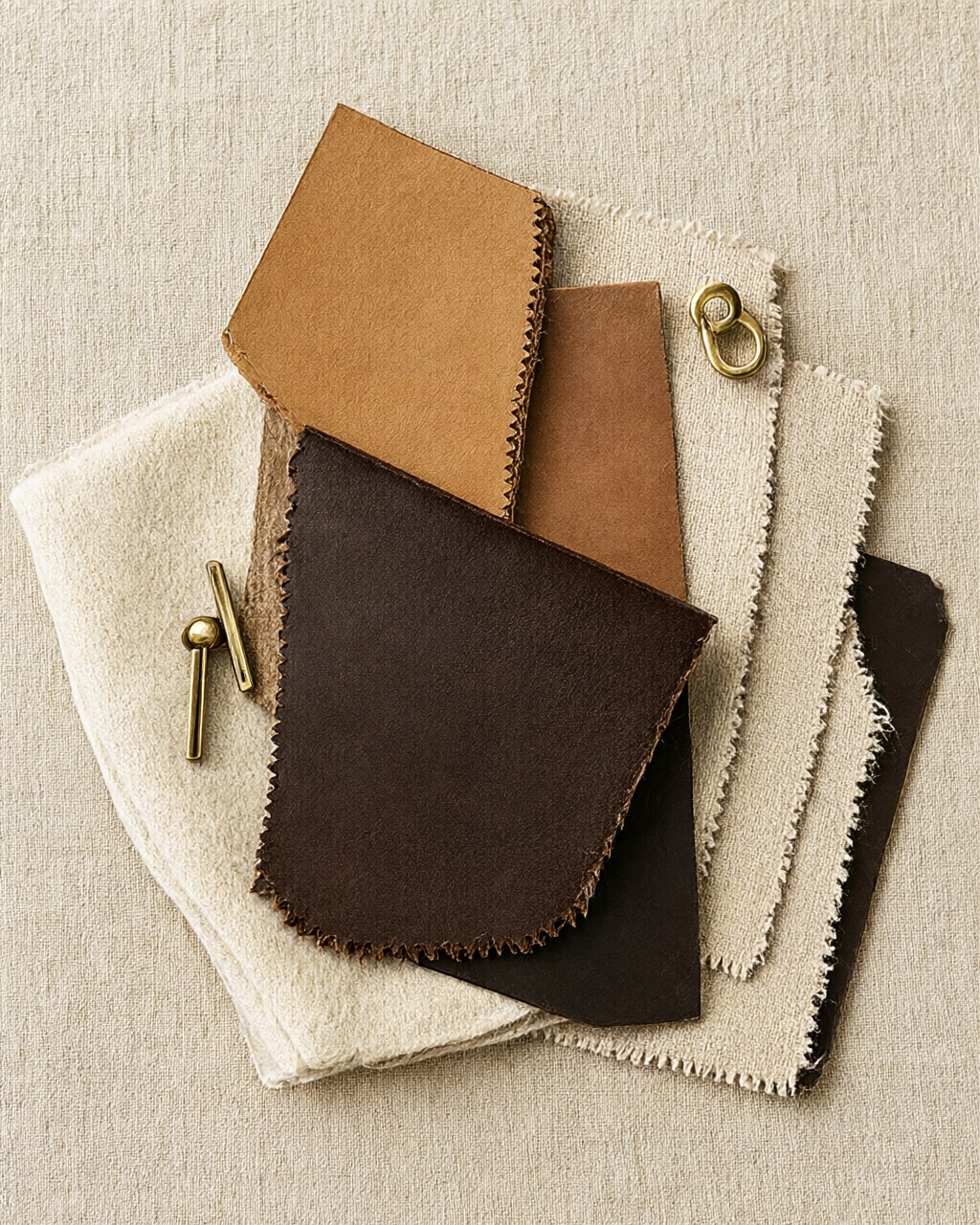
Hides vary. In a small run, a cutter can put the clearest panels on the front of the bag and the scars on the gusset. At industrial volume the leather is allocated by the pallet and nobody is looking at the grain.
What it means for you
Pieces cost more than the equivalent mass-market item and less than a heritage brand with a similar construction. They also take longer to arrive, because we do not keep a warehouse of finished stock. In exchange you get a piece that was made in a quantity someone could actually inspect.